Over the years, many clients have come to The Jewelry Judge with the same concern after having a piece repaired: “Did this work change the value?”
It is a reasonable question. Jewelry often carries both financial and sentimental weight, and any alteration, even something as routine as resizing or replacing a stone, can leave owners wondering whether their documentation is still accurate. For insured or previously appraised jewelry, understanding how repair interacts with valuation is critical in many ways.
Routine Maintenance and Value Preservation
Most professional repairs are intended to restore structural integrity without changing a piece’s defining attributes. Services such as prong rebuilding, tightening loose stones, reinforcing a thinning shank, or replacing a worn clasp are preventative in nature. They protect gemstones from loss and maintain the durability of the original design.
When these repairs preserve the original metal type, gemstone quality, and overall configuration, the documented value typically remains aligned with the physical piece. In this context, repair supports long term value by preventing damage that could otherwise reduce structural soundness or result in loss.
Structural Changes That May Affect Documentation (and Value!)
Certain types of repair extend beyond maintenance and introduce measurable adjustments. Ring resizing, particularly when substantial metal is added or removed, can affect total weight. Replacing a missing diamond or gemstone introduces a stone with its own grading profile, which may differ from the original specifications. Significant reconstruction or resetting can alter the composition or overall design characteristics described in an existing appraisal.
These changes do not inherently diminish quality (depending on who performs the job, of course), but they do create differences between the original documentation and the piece as it currently exists. Because appraisal values are based on specific attributes, any material change should be evaluated to ensure accurate representation.
Why Accurate Value Alignment Matters
An appraisal reflects the replacement cost of a piece under market conditions at the time of evaluation. If meaningful repairs or modifications occur after that date, the appraisal may no longer fully correspond to the jewelry’s present specifications. Discrepancies between documentation and the physical item can complicate claim resolution or lead to inaccurate coverage limits.
Periodic review following substantial repair work helps ensure that the appraisal reflects both current market conditions and the piece’s updated characteristics. This alignment protects financial value and maintains clarity in the event of a loss, or for resale purposes.
Thinking of Having Your Jewelry Repaired?
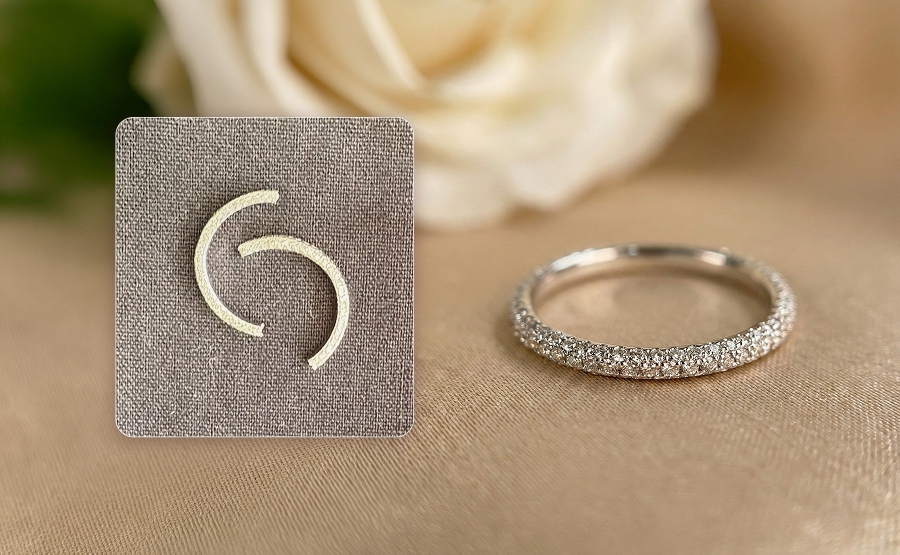
The Jewelry Judge has been repairing fine jewelry for more than 70 years, working on everything from engagement rings and estate pieces to complex structural restorations. Each repair is approached with careful attention to craftsmanship, material integrity, and long term durability.
Pictured: Recent Jewelry Judge ring repair
If you are considering a repair, we would be glad to evaluate your piece, explain what the process involves, and help you understand whether any updates to your appraisal may be appropriate. Thoughtful repair should protect both the structure of your jewelry and the accuracy of its documentation.