After the Louvre Heist, a Mangled Crown Is Repaired
The recent jewelry heist at the Louvre did more than generate headlines, as it also left a historic French crown physically damaged during the thieves’ escape. Reports indicate that the crown was dropped in the chaos, resulting in bent gold elements and displaced stones that required immediate professional assessment. While the theft itself captured public attention, the restoration process that followed is what truly underscores the resilience of fine craftsmanship.
What Happens When Historic Jewelry Is Damaged?
When a significant piece of jewelry sustains structural damage, restoration is not a matter of simply reshaping metal or tightening a few stones. Conservators must first evaluate the extent of deformation, examine potential stress fractures in the gold framework, and determine whether original settings can be preserved without further compromise. The objective is to stabilize the piece while maintaining historical authenticity, which requires restraint, technical knowledge, and a deep understanding of period craftsmanship.
The Precision Required in Crown Restoration
Repairing a centuries old crown involves carefully correcting distorted metal without weakening it and securing gemstones without altering their original placement or character. Specialists rely on controlled techniques to gradually return bent components to alignment while minimizing the risk of additional stress to the structure. Every decision must balance structural integrity with preservation, since replacing original materials can diminish both historical and cultural value.
Why This Matters Beyond the Louvre Heist
Although most collectors will never own a royal artifact, the principle remains the same for modern fine jewelry and family heirlooms. Structural damage from impact or mishandling can affect long term durability and value if not properly evaluated. The restoration of the Louvre crown serves as a reminder that even significant damage can often be corrected when entrusted to experienced professionals who understand both the artistry and the technical demands of fine jewelry repair.
When Your Jewelry Needs an Independent Evaluation
Whether a piece has been dropped, bent, inherited, or recently purchased, determining its condition and value requires objective assessment. As an independent jewelry appraiser, Ben Gordon does not buy or sell jewelry, which allows him to provide unbiased evaluations, damage assessments, and appraisal reports for insurance, estate planning, or verification purposes.
If you have concerns about a piece’s integrity or value, professional evaluation is the first step toward protecting it.
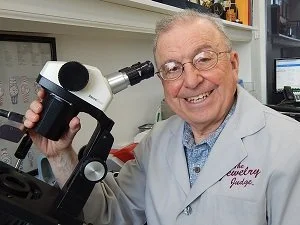
The Jewelry Judge